

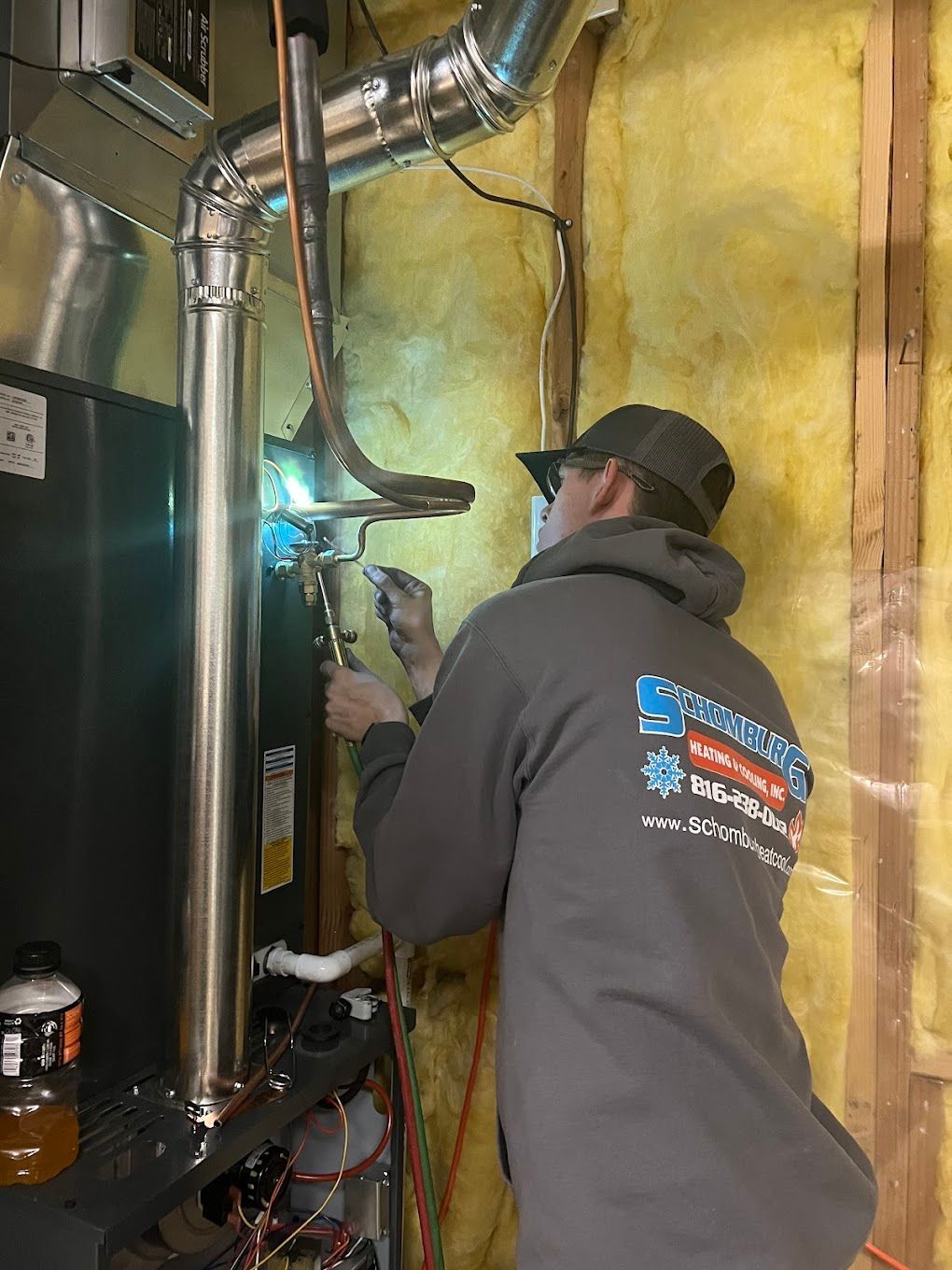
St. Joseph sits in a part of Missouri that doesn't get mild winters. Temperatures regularly drop into the teens, and the heating and cooling systems in St. Joseph, MO homes take the hardest hit between December and February, when wind chills push conditions well below zero. Add ice storms, sudden temperature swings, and aging housing stock to the mix, and you have a combination that puts real stress on residential HVAC systems every winter. Most homeowners don't think about their HVAC system until something goes wrong. But the way cold weather interacts with furnaces, heat pumps, ductwork, and thermostats in this part of Missouri is specific enough that understanding the connection can save you hundreds in emergency repair bills. How Sub-Zero Temperatures Push Your Furnace Past Its Limits A furnace is designed to maintain a temperature difference between the air inside your home and the air outside. In St. Joseph, that difference can reach 70 degrees or more on the coldest nights. When the gap is that large, the furnace runs longer cycles, fires more frequently, and puts more wear on the blower motor, igniter, and heat exchanger (the metal component that transfers heat from the burner to your air) than it does during moderate cold. If your furnace is older than 15 years or hasn't been serviced recently, those extended run cycles are where breakdowns happen. Cracked heat exchangers, failed igniters, and burned-out blower motors are the repairs that heating and cooling companies in St. Joseph, MO handle most often in the coldest months. A furnace that ran fine in October can fail in January simply because the workload changed. If your furnace is struggling to keep up with the cold, don't wait for a complete failure. Call Schomburg Heating & Cooling Inc. at (816) 238-0032 before the next cold front arrives. Freeze-Thaw Cycles and What They Do to Ductwork and Vents St. Joseph's winter is not just cold. It fluctuates. A 50-degree afternoon followed by a 10-degree overnight is not unusual. Those swings cause metal ductwork to expand and contract repeatedly. Over multiple seasons, that movement loosens joints and opens gaps at connections. The result is small leaks that let heated air escape into crawl spaces, attics, and wall cavities before it reaches your living areas. The result is uneven heating, higher energy bills, and a system that runs harder than it should. If some rooms in your home are noticeably colder than others even when the furnace is running, leaking ductwork is one of the most common causes. An HVAC repair company in St. Joseph, MO can pressure-test and seal your duct system, often recovering 20 to 30 percent of the heating efficiency you've been losing. Ice Storms, Power Outages, and Your Heat Pump Heat pumps are increasingly common in the area because they handle both heating and cooling in a single system. But they have a specific vulnerability in winter: the outdoor unit can ice over during freezing rain or prolonged sub-freezing humidity. Most heat pumps have a defrost cycle to handle this. But if the defrost board (the control that tells the system to melt ice buildup) fails or the reversing valve sticks, ice accumulates on the coils and the unit loses heating capacity fast. After an ice storm, check the outdoor unit before assuming the system is broken. If you see heavy ice that hasn't cleared within an hour of the system running, call for heating repair in St. Joseph, MO before the compressor is damaged. Running a heat pump with iced coils can cause compressor failure, which is the most expensive component in the system. Why Your Thermostat Reads One Temperature but Your House Feels Different. Cold weather exposes thermostat placement problems that go unnoticed the rest of the year. If your thermostat is on an interior wall away from windows and exterior walls, it reads the warmest air in the house and tells the furnace to shut off before the colder rooms catch up. In older homes built before the 1990s, poor insulation in exterior walls and single-pane windows make this problem worse because the temperature difference between rooms increases as the outdoor temperature drops. A programmable or smart thermostat can help, but it doesn't fix the underlying issue if the thermostat is in the wrong spot or the home has significant insulation gaps. A qualified local heating and cooling company can assess the airflow, check for insulation deficiencies, and recommend whether thermostat relocation, added insulation, or duct modifications will solve the comfort problem. What You Can Do Before the Next Cold Snap Schedule a furnace tune-up before temperatures drop further. A tune-up catches worn parts before they fail under load. Replace your furnace filter if it's been in place for more than 60 days. A dirty filter restricts airflow and forces the system to work harder, which accelerates wear during high-demand periods. Clear snow and ice away from outdoor HVAC units, exhaust vents, and intake pipes after every storm. Blocked vents can cause carbon monoxide buildup, furnace lockout, or heat pump failure. Seal visible gaps around windows, doors, and exterior wall penetrations with weatherstripping or caulk. Even small air leaks become significant when the wind chill is below zero. If your furnace is short-cycling, making unusual noises, or failing to keep your home above 65 degrees on cold nights, don't wait for a complete failure. Call Schomburg Heating & Cooling Inc. at (816) 238-0032 for a diagnostic. Schomburg has been handling heating and cooling in St. Joseph, MO since 1991, and our Comfort Club maintenance plan includes priority scheduling and discounts on repairs, which matters most when demand for heating repair in St. Joseph, MO peaks during cold snaps. Keep Your System Ready for What St. Joseph's Winter Brings The result is uneven heating, higher energy bills, and a system that runs harder than it should. If some rooms in your home are noticeably colder than others even when the furnace is running, leaking ductwork is one of the most common causes. An HVAC repair company in St. Joseph, MO can pressure-test and seal your duct system, often recovering 20 to 30 percent of the heating efficiency you've been losing. Frequently Asked Questions
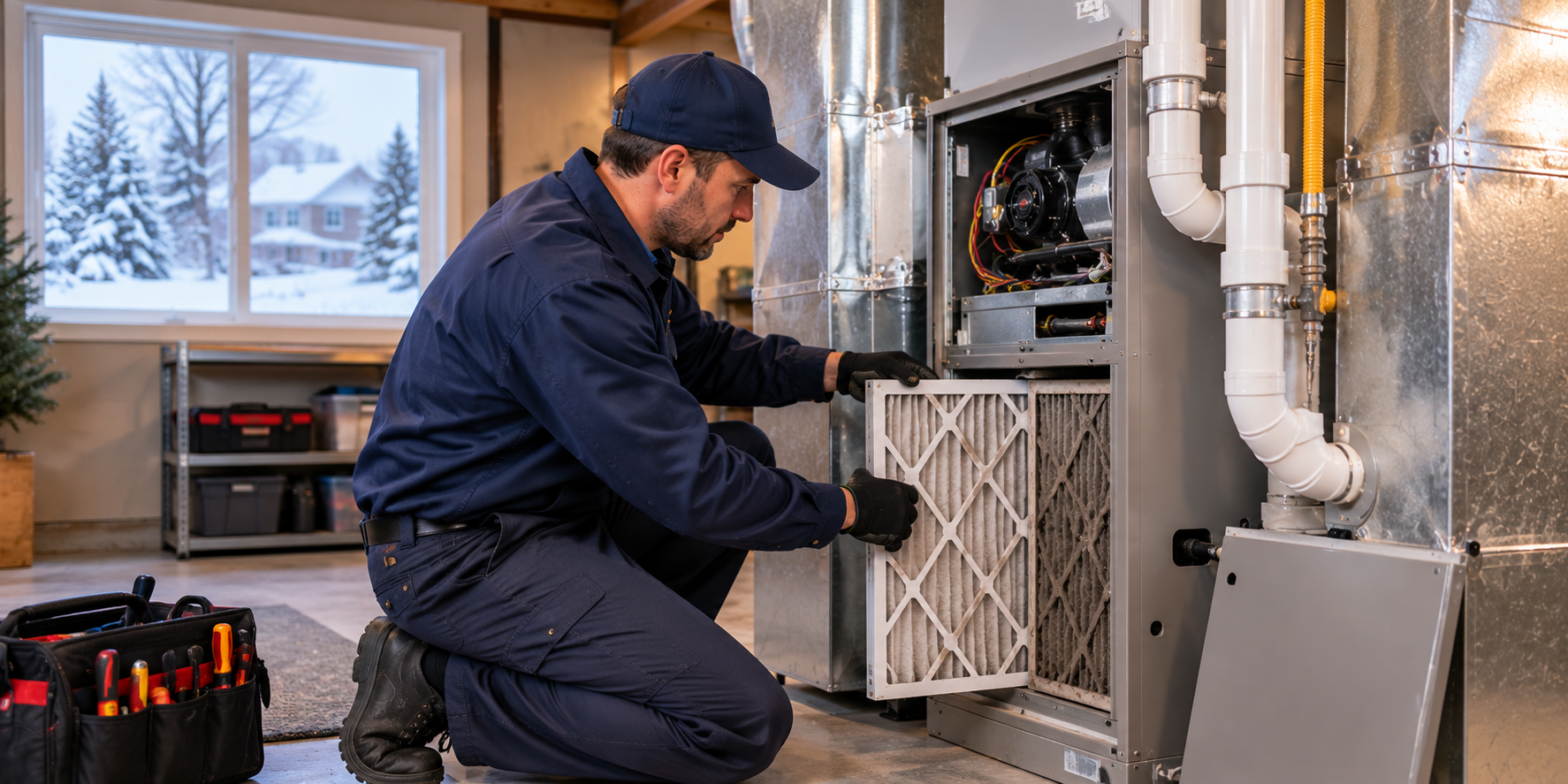
Preparing Your Heating System for Platte City Winters Winter across Platte County, MO is no joke. Between sub-zero drops, freezing rain, and bitter winds, your furnace or heat pump runs almost nonstop from October through April to keep your family warm. Taking care of seasonal maintenance before the harsh cold hits is the easiest way to keep your system running reliably, keep utility bills down, and avoid a middle-of-the-night heating breakdown. When winter hits North Missouri, an overlooked heating system takes a beating. Running constantly under heavy strain can quickly turn a minor squeak or worn wire into a complete system shutdown. Spending a little time on preventive care each fall protects your heating system and keeps your home comfortable all season long. At Schomburg Heating & Cooling, we provide tune-ups, thorough troubleshooting, and 24/7 emergency repair. We are the team for heating and cooling Platte City, MO homeowners rely on when winter gets rough. Whether you need a quick filter check or complex troubleshooting, our local, certified technicians are ready to help. Why Pre-Winter Heating Checks Matter for Homeowners Waiting until the first major freeze to turn on your furnace is a risky gamble. If something is wrong, you end up stuck in a freezing house waiting on an emergency repair call. Getting ahead of the cold gives you a few real benefits: Catch Small Issues Before They Become Big Failures: Finding a worn blower belt, weak capacitor, or loose wire during mild fall weather keeps your system from quitting on you during a blizzard. Keep Monthly Energy Bills Down: Clean gas burners, fresh filters, clear ductwork, and an accurate thermostat mean your furnace doesn't have to work twice as hard to heat your home. Breathe Cleaner Air Indoors: During Missouri winters, homes stay sealed up tight. Swapping out dirty filters and cleaning out dust, pet hair, and pollen from the fan housing makes a huge difference in your indoor air quality. Keep Your Home Safe: Annual safety checks make sure dangerous combustion gases vent properly outside—protecting your family from carbon monoxide leaks or cracked heat exchangers. If a checkup uncovers worn parts, getting heating repair in Platte City, MO right away stops small problems from turning into a total system failure. Maintenance Checklist: Essential Steps for Winter Heating Care While deeper technical checks should always be handled by a licensed HVAC contractor in Platte City, MO, there are several simple things you can do around the house to help your system run smoothly: Check Air Filters Every 30 Days: Take a quick look at your filter once a month during the cold season. If it looks clogged, replace it right away so your blower motor doesn't overheat or struggle for airflow. Keep Vents and Registers Unblocked: Walk through your rooms to make sure furniture, rugs, drapes, or storage boxes aren't blocking supply and return vents. Free airflow keeps air circulating evenly. Test Your Heat in Early October: Turn your thermostat to heat mode early in the fall. Set it five degrees above room temperature and listen for the system to fire up smoothly and blow warm air. Clear Off Outdoor Heat Pumps: If you rely on a heat pump, check the outdoor unit regularly. Clear away fallen leaves, branches, snow, and ice buildup so air can flow freely around it. Inspect Exterior Exhaust Vents: Do a quick visual check outside to ensure dryer and furnace vent pipes aren't blocked by leaves, snow, or bird nests. Unblocked vents are essential for safe exhaust airflow. Book an Annual Professional Tune-Up: Schedule a thorough pre-winter service call so a professional can inspect electrical connections, heat exchangers, gas lines, and safety switches. Repair vs. Replacement: Making the Right Call When an older system starts acting up in the dead of winter, you have to decide whether it's worth fixing again or better to invest in a replacement. When to Repair If your furnace or heat pump is under 12 to 15 years old and has been looked after, fixing minor issues—like a dirty flame sensor, a faulty igniter, or a worn belt—is simple and affordable. Choosing targeted HVAC repair in Platte City, MO gets your heat back on without the cost of buying a whole new unit. When to Replace If your system is creeping past 15 years, breaks down constantly, or leaves rooms feeling warm one minute and cold the next, replacing it usually makes more financial sense. Modern high-efficiency systems use far less energy, which helps offset the upfront cost through lower monthly utility bills during severe Platte County winters. Working with an honest specialist in HVAC Platte City, MO gives you straight answers about your equipment so you can make the right call for your home and budget. Frequently Asked Questions
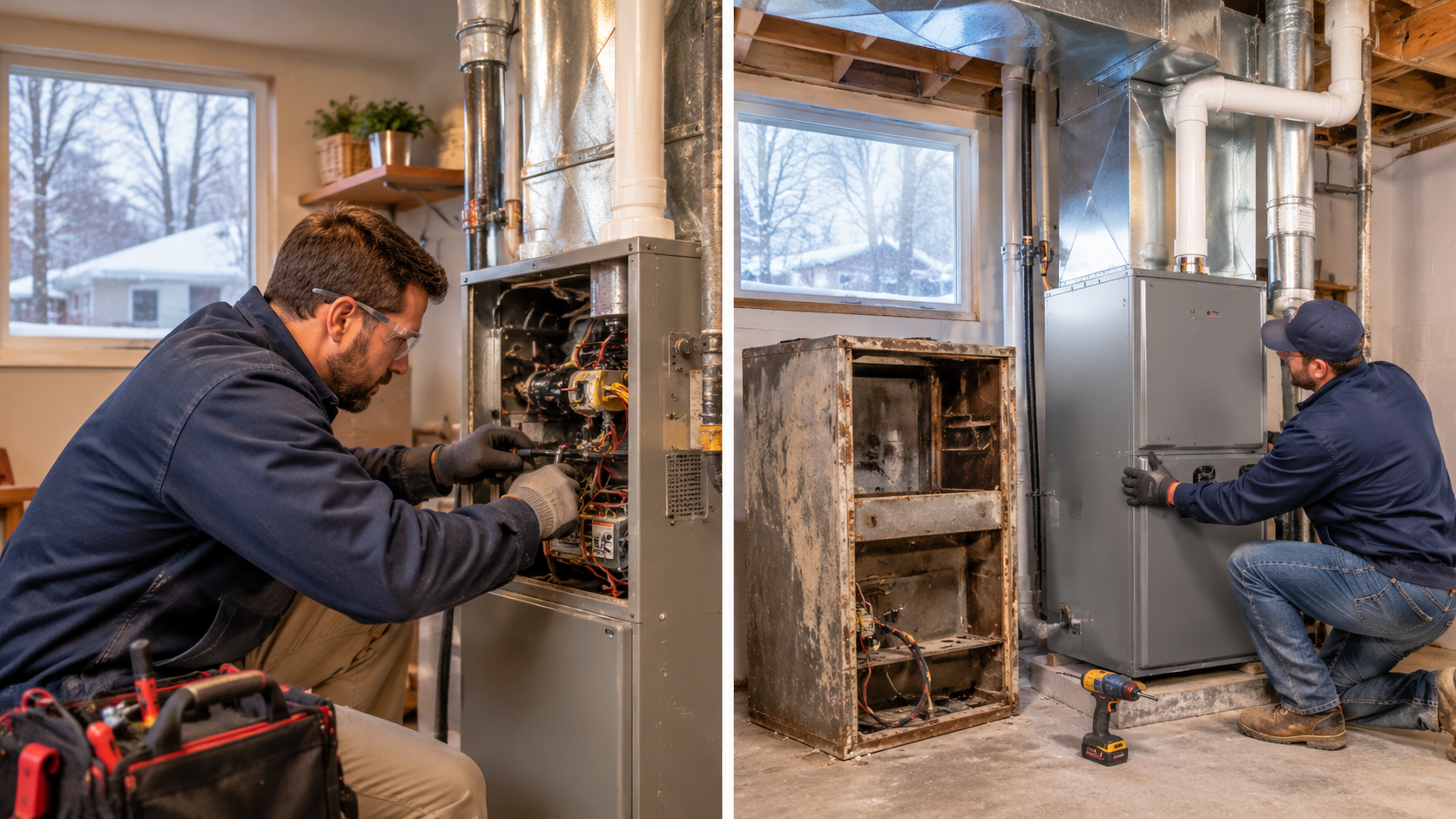
Is Your Heating System Ready for a North Missouri Winter? As cold weather sweeps across Platte County between October and April, having a dependable heating system is not just a matter of convenience—it is essential for protecting your home, maintaining healthy indoor air quality, and keeping utility costs manageable. North Missouri winters present extended periods of freezing temperatures, heavy frosts, and sudden cold snaps. When the temperature plunges, your furnace must run continuously for days or weeks at a time. Homeowners throughout the region face a critical decision as the colder season begins: Is it more cost-effective to invest in targeted heating repair, or is it time to schedule a complete furnace replacement? As a trusted HVAC contractor Platte City, MO residents rely on year after year, Schomburg Heating & Cooling helps local homeowners evaluate system age, operational performance, and long-term heating efficiency. Understanding how your system operates under high demand allows you to take proactive steps before severe weather hits, avoiding midnight emergency calls and unexpectedly high energy bills. Key Signs You Need Heating Repair in Platte City, MO Minor mechanical issues can quickly turn into major operational failures during sub-freezing weather. Catching system problems early allows for fast, targeted heating repair in Platte City, MO before total equipment breakdown occurs. Watch for these early warning signs during system startup and daily operation: Uneven Heating Across Rooms: Cold spots in specific bedrooms, living areas, or basements often indicate airflow restrictions, failing blower motors, or leaky ductwork. Unusual Operational Sounds: Loud clanking, persistent squealing, metal-on-metal grinding, or repeated popping noises usually point to loose fan belts, failing bearings, or damaged combustion components. Frequent System Cycling: If your furnace turns on and off rapidly (short-cycling), it may suffer from a dirty flame sensor, an overheating heat exchanger, a faulty thermostat, or severely restricted airflow. Unexplained Increases in Energy Bills: A sudden jump in your monthly heating cost without an accompanying drop in outside temperature indicates that your furnace is losing operational efficiency. Persistent Yellow Burner Flames: A healthy natural gas flame burns crisp and blue. A yellow or flickering flame suggests incomplete combustion, dirty burners, or a potential safety issue. If you observe any of these symptoms, scheduling prompt HVAC repair in Platte City, MO ensures your unit is diagnosed, restored, and operated safely all winter long. When to Consider Furnace Replacement While timely repairs can fix isolated electrical or mechanical problems, older systems eventually reach the end of their functional lifespan. Replacing an aging, inefficient unit before winter sets in prevents emergency outages and reduces ongoing monthly heating expenses. Consider scheduling a modern furnace replacement in Platte City, MO if: Your furnace is over 15 years old: Standard gas furnaces typically last 15 to 20 years. Older units lose heating efficiency over time, even with regular maintenance. Repair costs are escalating rapidly: If a single repair quote approaches 50% of the cost of a new heating unit, or if you have paid for multiple repairs over the past two seasons, replacement offers far better long-term financial value. Safety concerns arise during inspection: Cracked heat exchangers present severe safety risks, including toxic carbon monoxide leaks into your living space. In these cases, immediate replacement is necessary to keep your family safe. Energy efficiency ratings are low: Older systems often carry Annual Fuel Utilization Efficiency (AFUE) ratings around 60% to 70%. Upgrading to a modern high-efficiency furnace (90%–98% AFUE) converts significantly more fuel directly into usable warmth, cutting operational costs immediately. Working with an established specialist in Heating and Cooling in Platte City, MO ensures that your new heating system is properly sized for your home’s square footage, insulation level, and floor layout. Frequently Asked Questions