
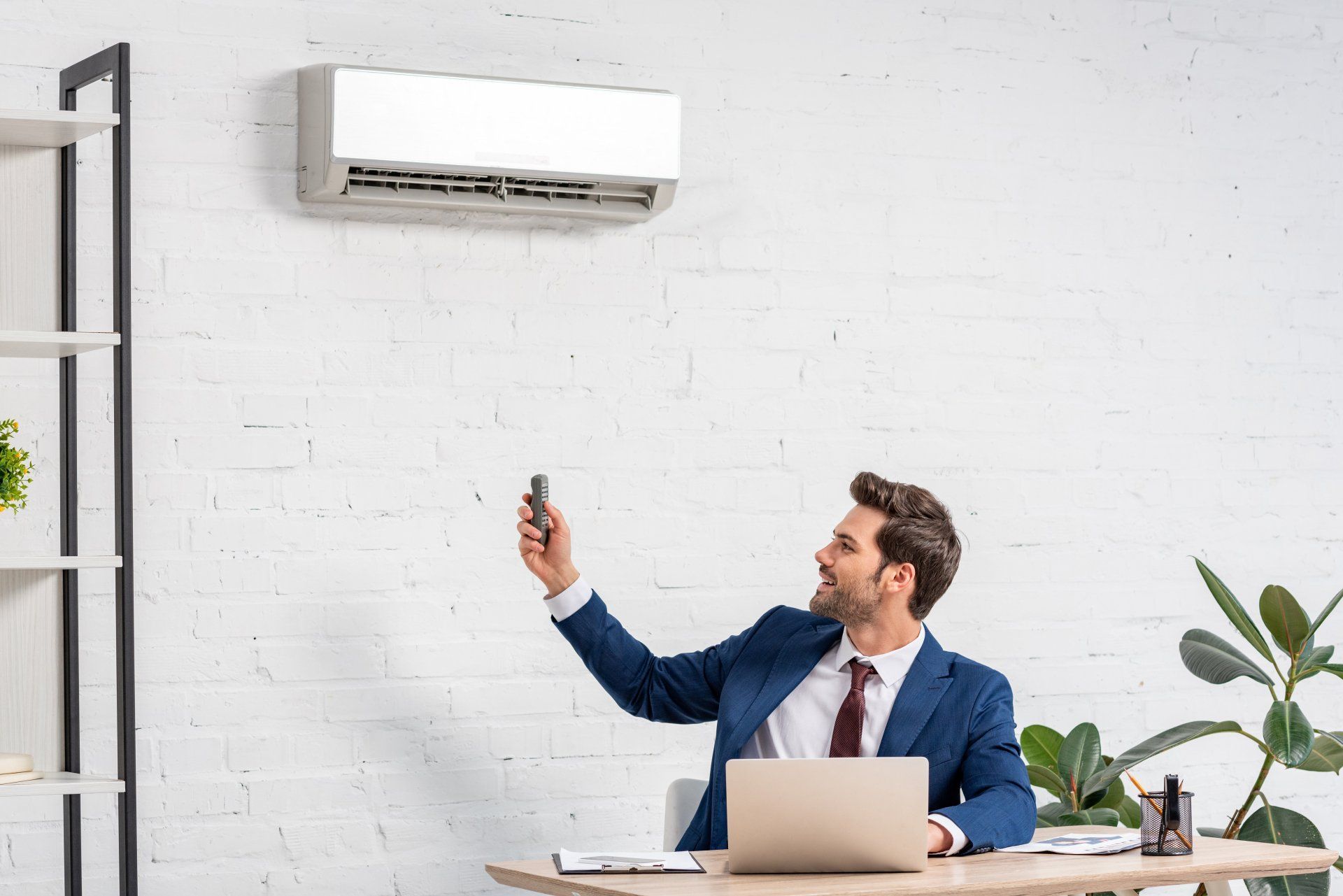
The best air conditioning system for a home in Platte City depends on home size, insulation, budget, and energy goals. Most homeowners benefit from a properly sized central air conditioning system with a high SEER2 rating, while ductless mini-splits work well for additions or homes without ductwork. Professional air conditioner installation ensures better comfort, efficiency, and long-term performance. What Is the Best Type of AC for a Home in Platte City? Choosing the right cooling system starts with understanding the local climate. Platte City experiences hot, humid summers where temperatures frequently reach the upper 80s and 90s. An air conditioner must handle extended cooling cycles while maintaining consistent indoor comfort. Several factors influence the right choice: Home square footage Existing ductwork Number of occupants Insulation quality Window placement and sun exposure Budget for installation and long-term operation Indoor air quality goals Professional air conditioner installation begins with evaluating these factors instead of simply replacing an old unit with the same size. Proper planning helps improve comfort while reducing monthly energy costs. Which Cooling System Is Right for Your Home? Every home has different cooling requirements. Understanding the available options makes selecting the right system much easier. Central Air Conditioning Central air conditioning remains the most popular choice for homes with existing ductwork. Benefits include: Even cooling throughout the house Quiet indoor operation Compatible with programmable thermostats Improved humidity control High efficiency with modern equipment Most homes between 1,500 and 3,000 square feet perform well with central air systems when properly sized. Heat Pumps Heat pumps provide both cooling and heating from one system. Advantages include: Year-round comfort Lower energy consumption Reduced operating costs Excellent efficiency during mild Missouri seasons Many modern heat pumps achieve impressive efficiency while providing reliable cooling during summer. Ductless Mini-Splits Ductless systems are ideal for: Home additions Finished basements Older homes without ducts Individual room temperature control Detached garages or workshops Mini-splits also reduce energy losses associated with traditional duct systems. Why Does Proper AC Sizing Matter? Many homeowners believe a larger air conditioner cools better. In reality, oversized equipment often creates more problems than properly sized systems. An oversized unit may: Cycle on and off too frequently Leave excess humidity indoors Increase energy bills Wear components more quickly An undersized unit may: Run continuously Struggle during extreme heat Increase utility costs Reduce overall comfort Professional HVAC contractors perform a Manual J load calculation that considers: Home square footage Ceiling height Insulation levels Window orientation Local climate conditions Number of occupants Air leakage Proper sizing ensures your investment performs efficiently for many years. SEER2 Matters When Choosing a New Air Conditioner SEER2 stands for Seasonal Energy Efficiency Ratio 2, the current industry standard used to measure cooling efficiency. Higher SEER2 ratings generally provide: Lower electricity consumption Better humidity control Reduced monthly utility bills Improved environmental performance For many homeowners, investing in a higher-efficiency system may result in noticeable savings over the equipment's lifespan. Modern systems often include: Variable-speed compressors Smart thermostat compatibility Variable-speed blower motors Improved airflow control These technologies create more consistent temperatures while reducing unnecessary energy use. What Should You Expect During a New Air Conditioner Installation? A professional installation follows a structured process designed to maximize system performance. Typical installation includes: Home evaluation Load calculation Equipment selection Removal of old equipment Installation of the new indoor and outdoor units Refrigerant line inspection or replacement Electrical connections Thermostat installation System testing Final performance verification Most residential installations are completed within one day, although more complex projects may require additional time. Choosing experienced technicians for air conditioner installation helps ensure every component operates correctly from day one. Regular Maintenance Protects Your Investment Installing a new cooling system is only the beginning. Routine maintenance helps preserve efficiency and extend equipment life. Professional air conditioning service typically includes: Coil cleaning Refrigerant inspection Airflow testing Electrical safety checks Thermostat calibration Drain cleaning Filter inspection Blower component cleaning Industry studies show that regular maintenance can improve energy efficiency while reducing unexpected breakdowns. Scheduling annual air conditioning service before summer arrives also allows technicians to identify minor issues before they become expensive repairs. New Air Conditioner Improves Indoor Air Quality Yes. Modern air conditioning systems do much more than cool indoor spaces. Many newer systems help: Reduce indoor humidity Capture airborne dust Filter pollen Improve airflow Support healthier indoor environments Additional indoor air quality options include: High-efficiency air filters UV germicidal lights Whole-home air purifiers Humidity control systems Ventilation upgrades Combining these features with professional air conditioning service helps maintain cleaner indoor air throughout the cooling season. Should You Replace Your Furnace Simultaneously Replacing both systems together is often recommended when: Both units are over 15 years old. The furnace has recurring repair issues. You want maximum energy efficiency. The equipment uses outdated technology. You plan to stay in the home long term. A matched heating and cooling system typically delivers better efficiency and more reliable comfort than mixing older and newer equipment. Features You Should Look for in a New Cooling System Today's air conditioners offer advanced technology that improves both comfort and efficiency. Popular features include: Variable-speed compressors Two-stage cooling Smart thermostat integration Quiet outdoor operation Energy-efficient blower motors Enhanced humidity control Wi-Fi connectivity Improved air filtration compatibility These upgrades help homeowners enjoy more consistent temperatures while lowering operating costs. Stay Comfortable With the Right Cooling Solution Choosing the right cooling system is an investment in your home's comfort, efficiency, and long-term value. Whether you're upgrading an aging unit or planning a brand-new air conditioner installation in Platte City, MO, working with knowledgeable professionals helps ensure the system is properly selected and expertly installed. Schomburg Heating & Cooling Inc is ready to help homeowners choose dependable cooling solutions backed by quality workmanship. Contact the team today to schedule a consultation and enjoy reliable indoor comfort for years to come. Frequently Asked Questions
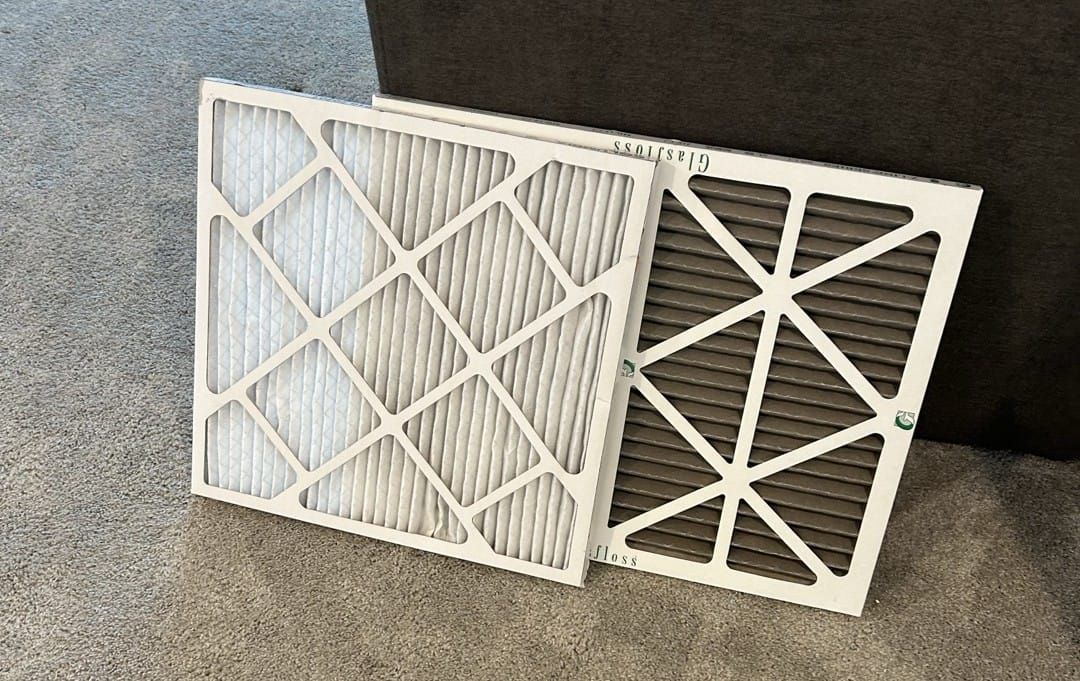
Compare HEPA vs. MERV filters for your home. Learn how often to change your air filter in Parkville and St. Joseph, MO, to avoid system damage and high bills
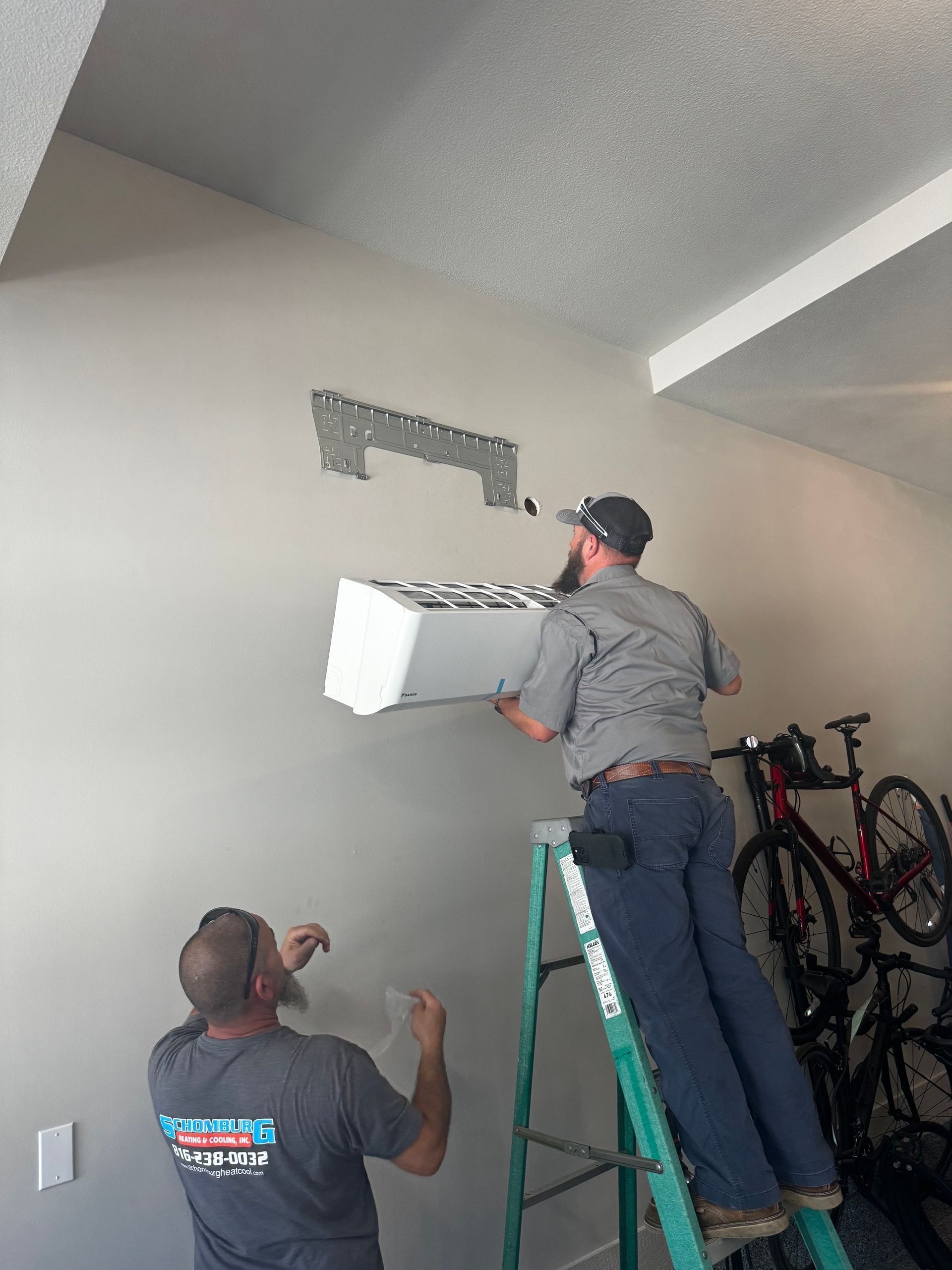
The best time to schedule air conditioner installation is during the shoulder seasons—early spring (March to April) and fall (September to October). These months offer milder temperatures, faster scheduling availability, and potential off-season savings. Waiting until July or August often leads to wait times longer, emergency replacement costs, and uncomfortable indoor temperatures during Missouri’s hottest months. Why Timing Matters for AC Installation in Missouri? Missouri summers regularly bring temperatures above 90°F with high humidity levels. During peak summer months, HVAC companies receive a surge of emergency service calls from homeowners dealing with failing cooling systems. Scheduling an installation before the seasonal rush gives homeowners better flexibility, improved pricing opportunities, and peace of mind. Homeowners searching for the best time to replace an AC unit in Missouri often discover that proactive planning prevents the stress of unexpected breakdowns. A planned replacement also allows more time to compare energy-efficient systems and financing options. What Happens During the Summer Rush? July and August are typically the busiest months for HVAC contractors in Missouri. During this period: Appointment availability becomes limited Emergency replacements increase costs Installation timelines may extend several days. Homeowners often endure hot indoor conditions while waiting Popular AC models may temporarily sell out A failing air conditioner during a Missouri heatwave creates urgency, which limits decision-making time. Planning ahead avoids rushed purchases and uncomfortable living conditions. Spring Is the Ideal Time for AC Installation Early spring offers one of the most practical opportunities for air conditioner installation in St. Joseph, MO, because temperatures remain moderate before extreme heat arrives. Benefits of Spring Installation